

Find by-right EV charging sites where demand is headed
MAIA scores every parcel in a county for charging demand and keeps the ones with the size, road access, power nearby, and clean history to build on, then resolves the owner behind each one. Charging developers use it to turn a metro's industrial parcels into a ranked short list before anyone books a site visit. Sourcing starts from every parcel in the market, not from what's listed.
How it works
Score the demand
Traffic, destinations, jobs, and households are joined to every parcel, along with the chargers serving the area. The score lands on the parcel, not the tract, so two lots on one block can rank differently.
Screen the site
Parcel size, zoning, and building coverage make the first cut, and substations and transmission lines are measured from each parcel. Former gas stations, dry cleaners, and homes next door drop a site before the drive.
Resolve the owner and the path
For the shortlist, MAIA researches the utility, the permitting authority, listing status, and any tax delinquency or bankruptcy, and cites each source. The owner behind the LLC and a contact come attached to every row.
The listing-site tabs, the broker's call sheet, and the seven-step diligence checklist run by hand.
Questions teams like yours ask MAIA
Asked in plain language. Answered across every parcel in your territory at once.
Where will charging demand outrun supply?
Traffic, destinations, jobs, and households are scored on every parcel, and the chargers already nearby are subtracted. The score lands on the parcel, so adjacent lots can rank differently.
Which parcels near a highway have the size and shape for a site?
Acreage, zoning, and building coverage come from parcel records, and highway distance from the road network. Set the floor and the radius, and every match lists with the reason.
Which sites already have heavy power nearby?
Substations and transmission lines are measured from each parcel edge, and a prior industrial use flags power already on site. MAIA gets you to the sites worth the utility's call.
Which sites carry environmental or neighbor risk?
Former gas stations, dry cleaners, and rail neighbors are flagged from land-use records, and EPA cleanup sites are joined. Distance to the nearest home is measured from the parcel edge.
Which utility and permitting authority does each site fall under?
For the shortlist, MAIA researches each site's utility territory and permitting authority and cites the source. Three utilities in one metro stop being three lookups.
Which sites are for sale, and who owns the rest?
Listing status, asking price, and broker are researched for the shortlist. For the rest, distress signals are researched and corporate filings pierce the LLC to the owner and a contact.
The data underneath
Every result carries the record it came from, so the analysis is cited and defensible.
| Screen for | Dataset | Source |
|---|---|---|
| Demand signals | Traffic counts, destinations, workplace jobs, and demographics around each parcel | Public traffic counts; verified business locations; census and workforce records |
| Existing chargers | Charging stations and fuel sites near each parcel | Public infrastructure records; verified business locations |
| Parcel fit | Size, shape, zoning, building coverage, and improvement value | County assessor and property records; building footprints and heights |
| Road access | Distance to the nearest highway and primary road | Public road network records |
| Power nearby | Substations, transmission lines, and prior industrial use at the parcel | Public grid infrastructure records; county assessor and property records |
| Site history and neighbors | Former gas stations, dry cleaners, auto shops, rail, cleanup sites, and distance to homes | County assessor and property records; verified business locations; EPA and state cleanup records |
| Utility, permits, and owner | Service territory, permitting authority, listing status, distress signals, and contacts, researched per shortlist | Cited web research; county assessor and property records; multi-source contact intelligence |
How an EV Charging Company Found Sites Near Power and Highways
Head of business operations and strategy, EV charging developer based in North Carolina · Ten metro counties, Los Angeles to Washington, DC · September 8, 2026
What they knew
An EV charging developer based in North Carolina builds fast-charging sites and fleet depots where the grid already has capacity, on industrial lots of half an acre to three acres. Its head of business operations and strategy had one job on the land side: turn the site team's know-how into a screen that runs the same way in any market. Before MAIA that meant listings and brokers, 100 to 200 addresses per market checked on a map, 20 driven, five into diligence. Seven separate checks stood between an address and a yes.
What they asked
Which industrial parcels over half an acre in this county sit within a quarter mile of a highway, have heavy power nearby, no homes next door, and no history as a gas station, dry cleaner, or auto shop?
What MAIA did
Screened every industrial parcel near a highway
Parcel records and the road network pulled every industrial lot over half an acre within a quarter mile of a highway, with acreage, zoning, and building coverage on each row.
Checked the power and the history
Substations and transmission lines were measured from each parcel, and a prior manufacturing use flagged heavy power on site. Gas stations, dry cleaners, oil tanks, and homes next door dropped a site before the drive.
Resolved the owner and the path
For the shortlist, MAIA researched the utility, the permitting authority, and listing status, then pierced the LLC to the operating owner and a direct contact.
What came back
- 657 parcels to 15 viable sites within half a mile of two target substations in one market, screened in one pass
- 3 hours to 15 minutes for the substation and parcel screen the team used to run by hand in each new market
- 10 metros from one saved buy box: Los Angeles, Seattle, Sacramento, Denver, San Antonio, New Orleans, Tampa, Charlotte, Pittsburgh, and Washington, DC, each returning its 15 to 20 sites for the site team's review
What they did next
A new county takes one push: the buy box lives in a MAIA skill, and a second skill chains the smaller ones. The site selection lead gets 15 to 20 sites back instead of 200 addresses, and the team is calling the owners on the Washington, DC list to check the machine's work. What the grid specialist wants folded in next is the rest of his checklist, for-sale status, owner distress, and power capacity, so a market comes back diligence-ready.
I love this tool already. It's freaking insane. This used to take me three hours to run.

Acquisitions & roll-ups
Find every target that fits the buy box, on the market or not
Demand forecasting
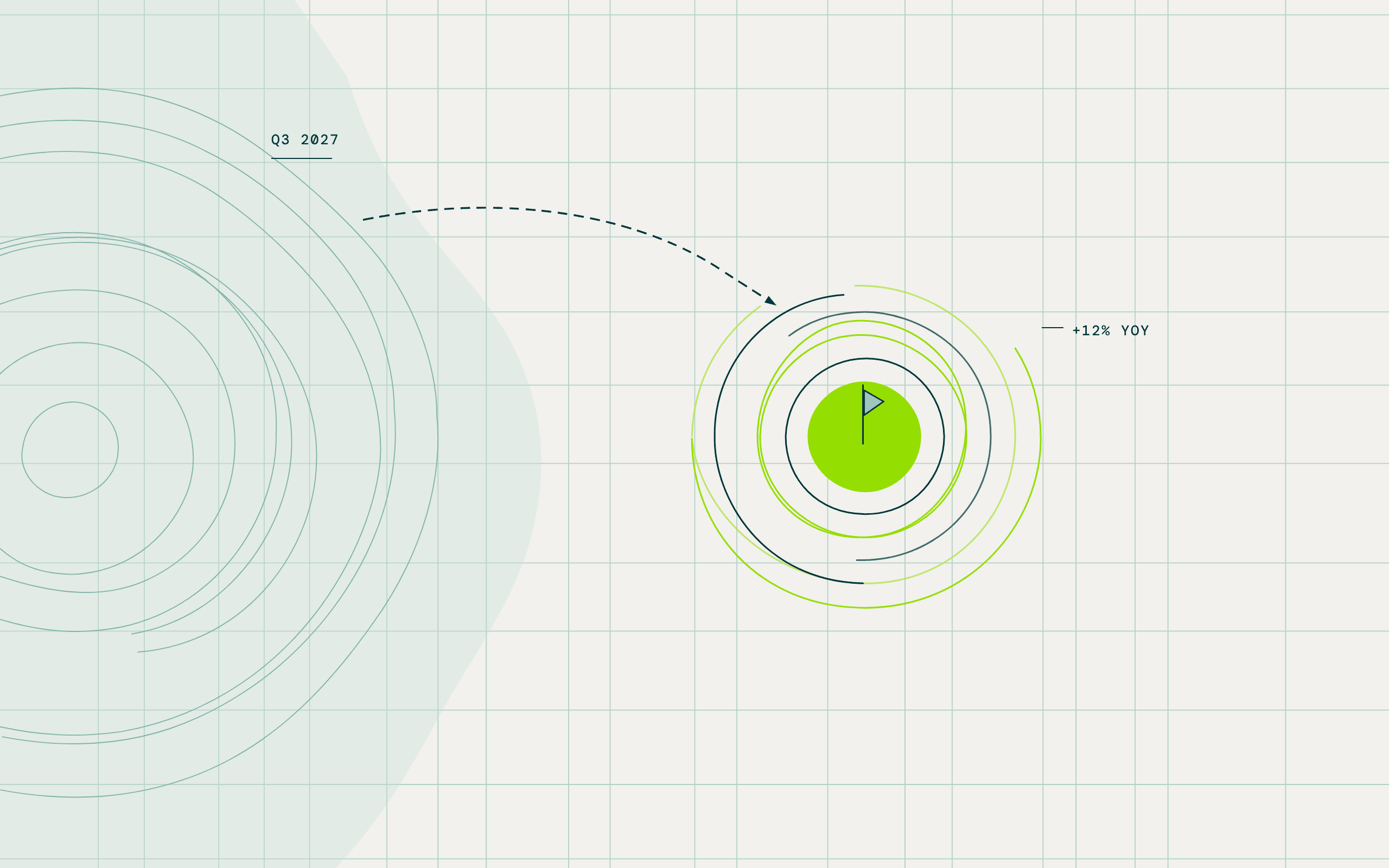
Score every parcel for where demand goes next
Whitespace analysis
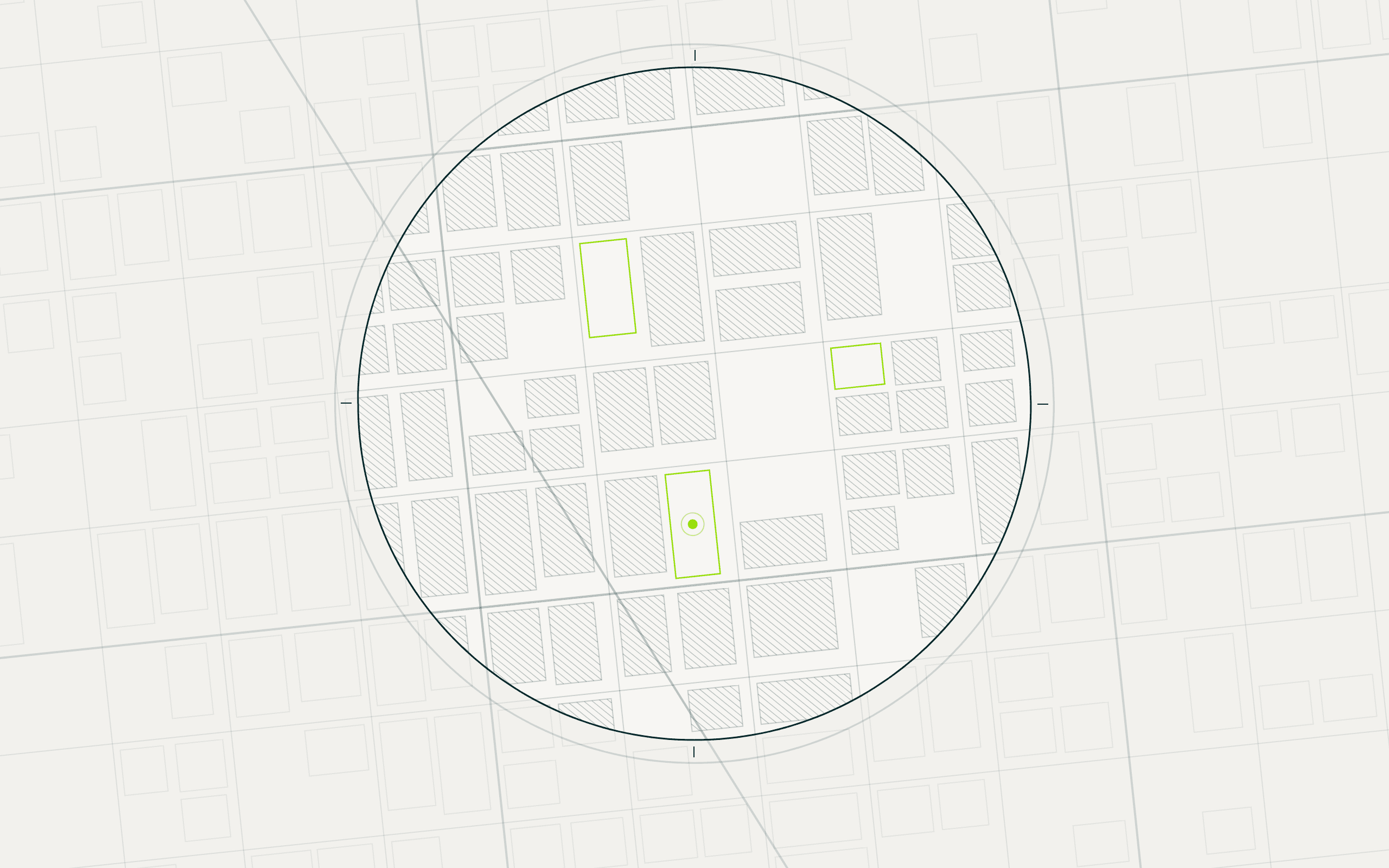
Map the gaps between demand and coverage

Affordable housing
Find the sites that score before the market does
Battery storage
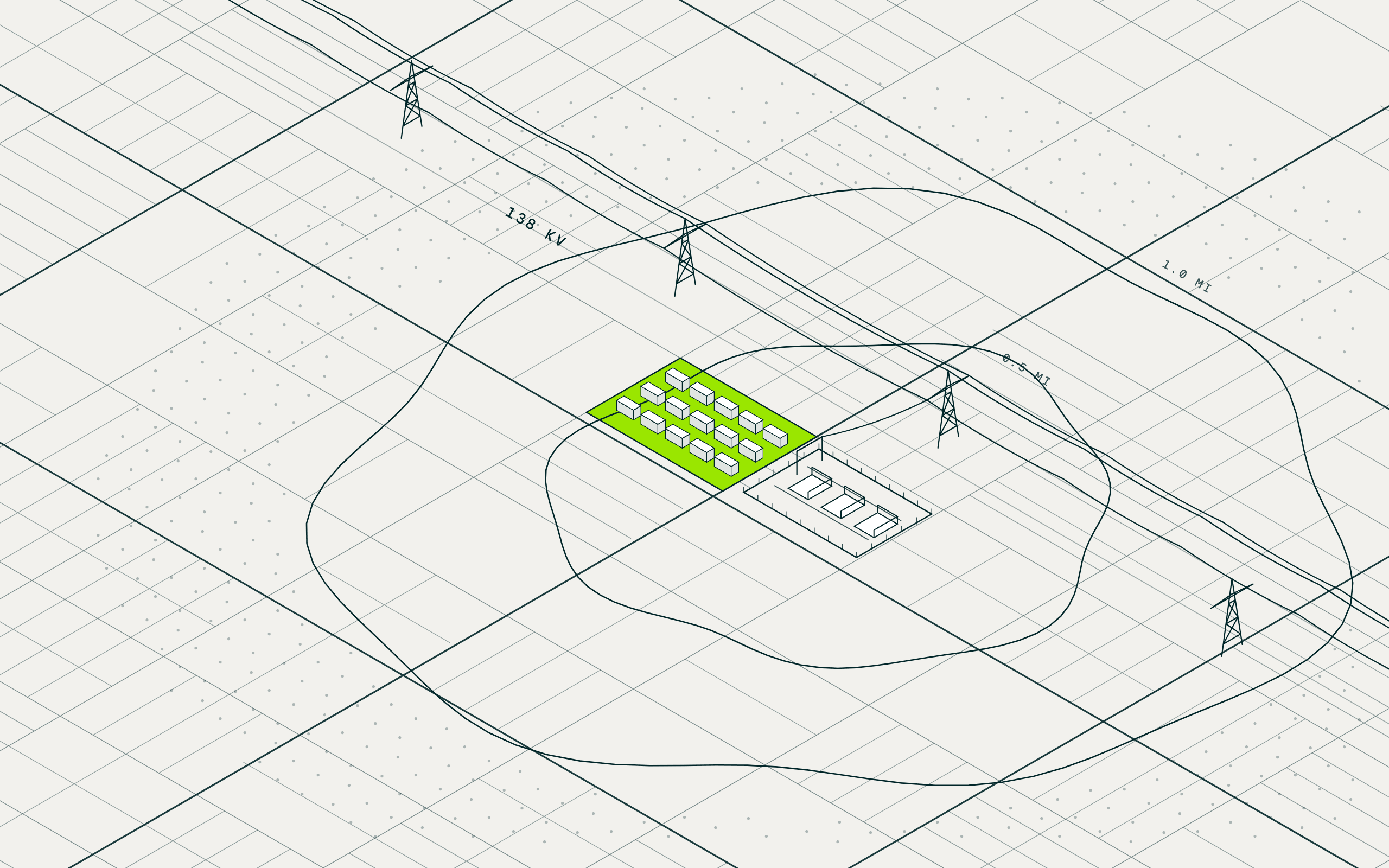
Find BESS sites worth taking into interconnection

Commercial & industrial solar
Find commercial solar sales opportunities in a market